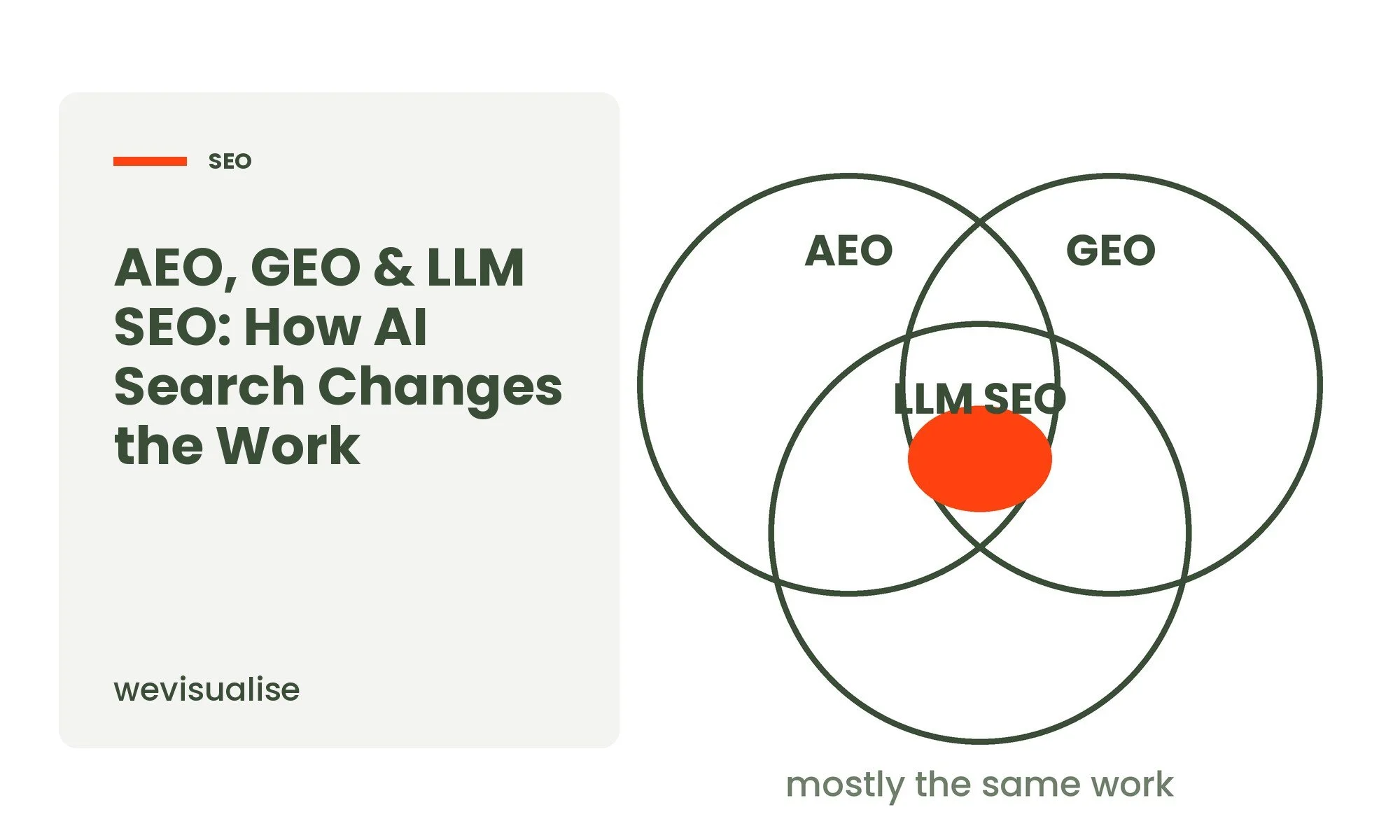
AEO, GEO & LLM SEO: How AI Search Changes the Work
Three acronyms arrived inside two years, each sold as a new discipline. Using Google's published guidance and named research, this separates what genuinely changed in AI search from what is ordinary SEO with a new label.
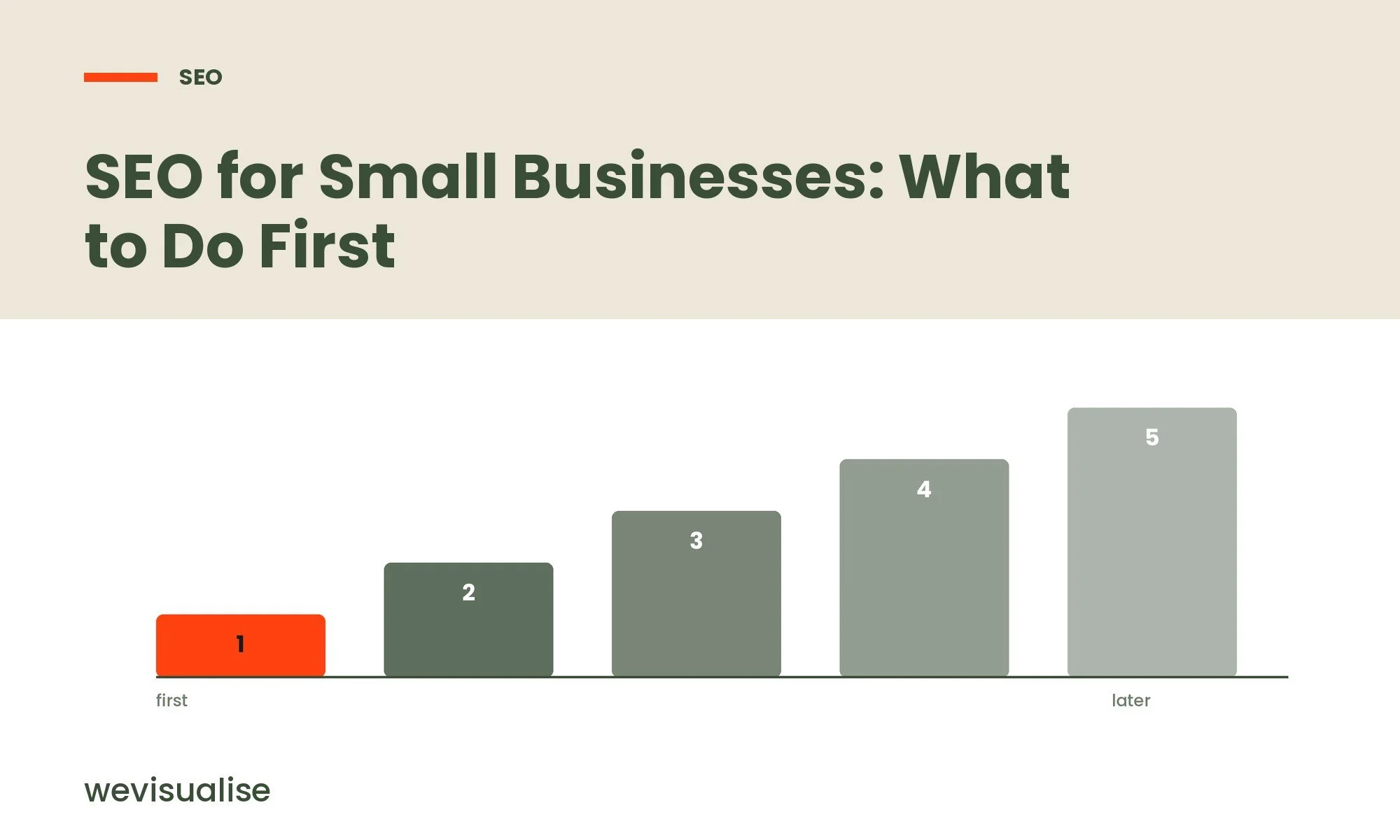
SEO for Small Businesses: What to Do First
Most small business SEO advice is an unordered list, so nothing gets done. This is a prioritised sequence with reasoning, honest timescales, and a clear line between the work you can keep in-house and the work you cannot.
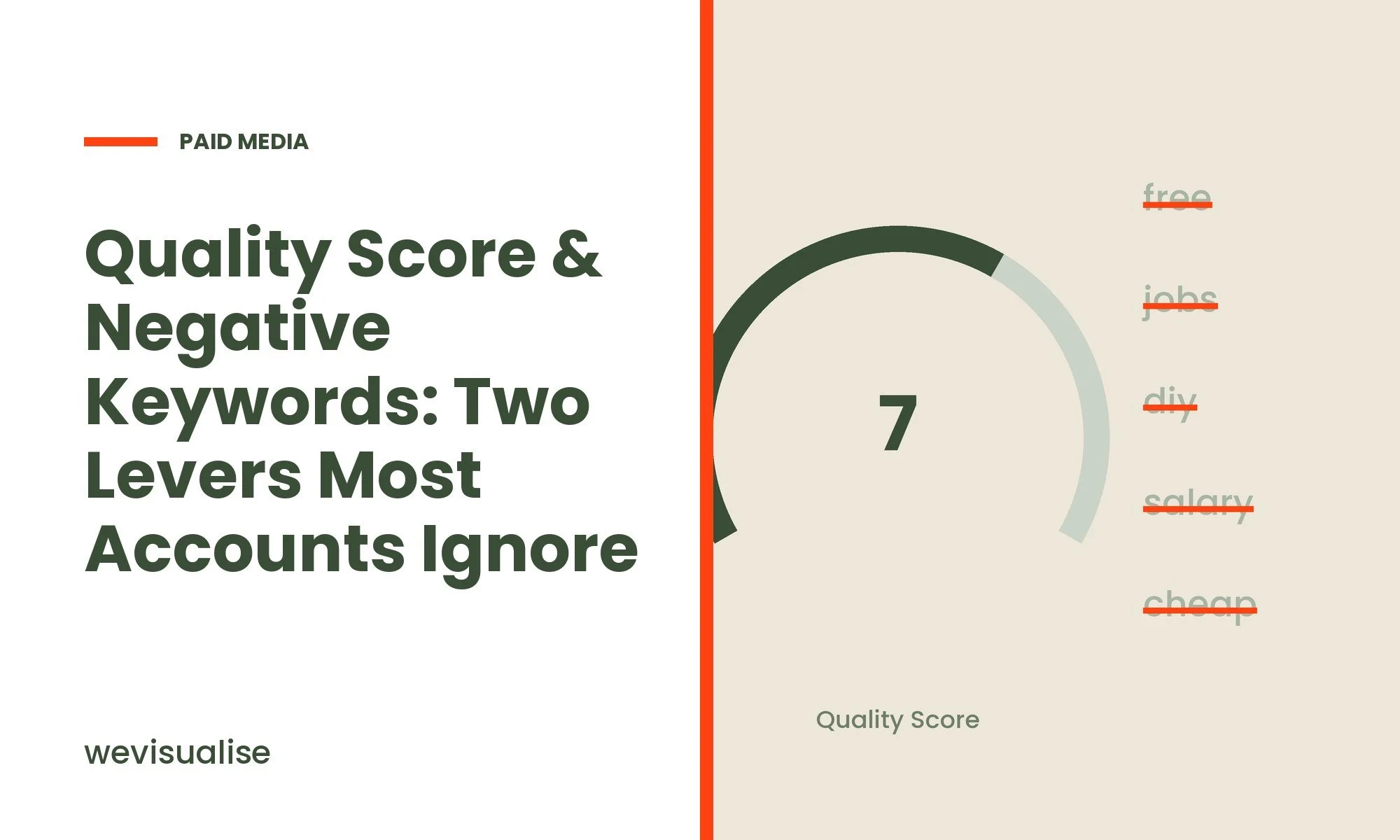
Quality Score & Negative Keywords: Two Levers Most Accounts Ignore
Two unglamorous levers move cost per acquisition more than most bid adjustments. This is what Quality Score measures, what it does not, and the negative keyword workflow that stops an account paying for the wrong searches.
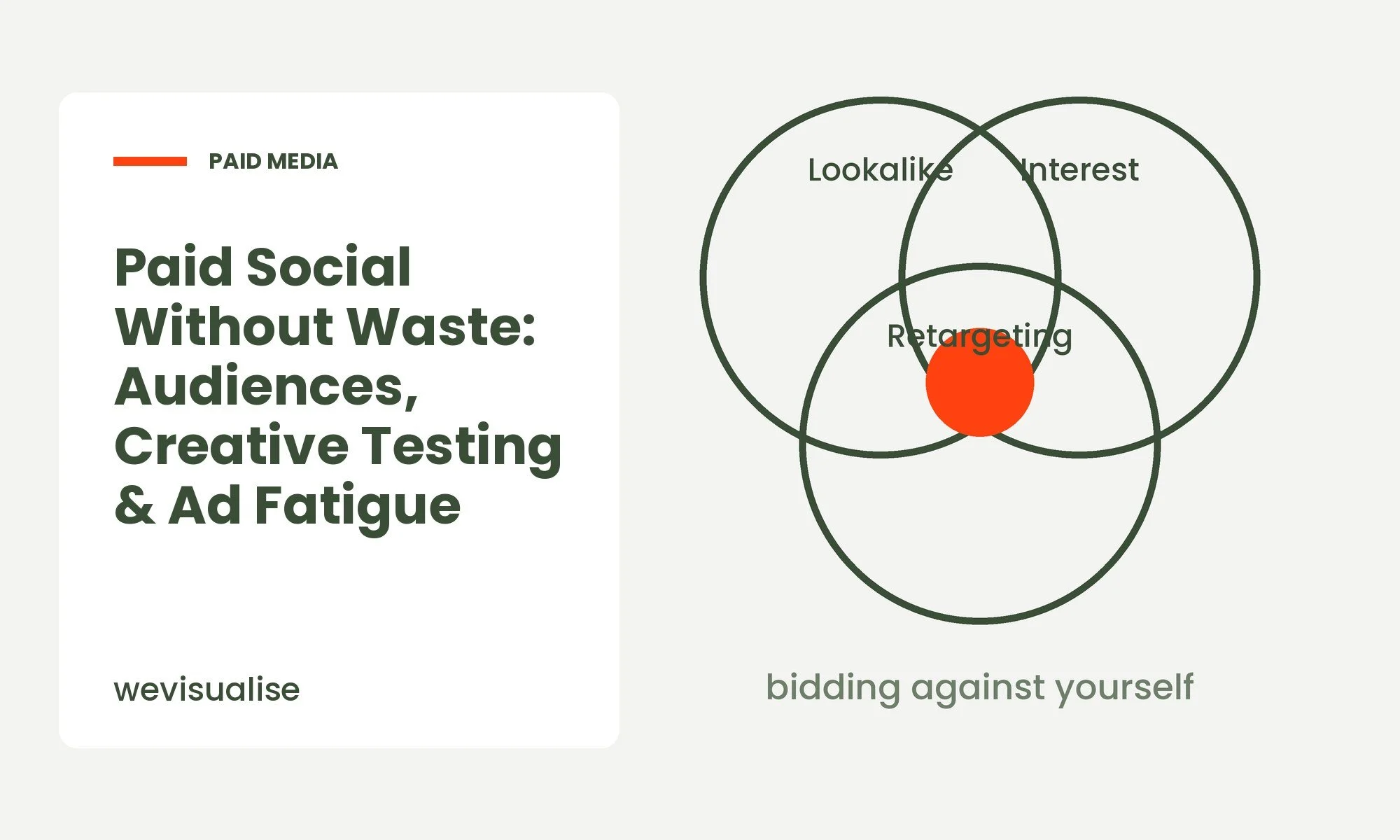
Paid Social Without Waste: Audiences, Creative Testing & Ad Fatigue
Paid social rarely fails in one visible place. It leaks through overlapping audiences, ad sets too small to learn, and creative tests that prove nothing. Here is where the money goes and how to close each gap.
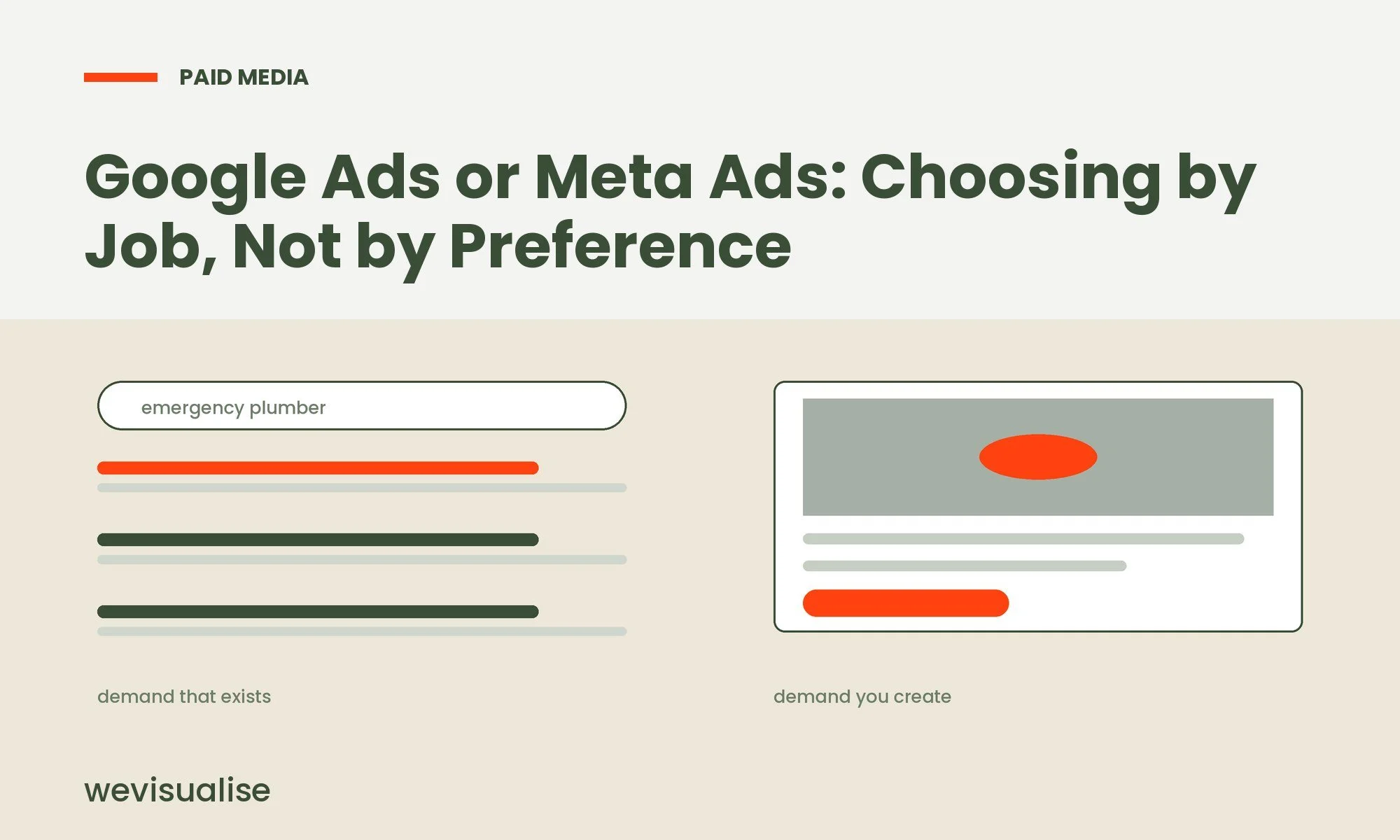
Google Ads or Meta Ads: Choosing by Job, Not by Preference
Paid search and paid social are not competing versions of the same thing. One captures demand that already exists, the other creates it. Here is how the targeting, creative and measurement differ, and when running both is the only sensible answer.
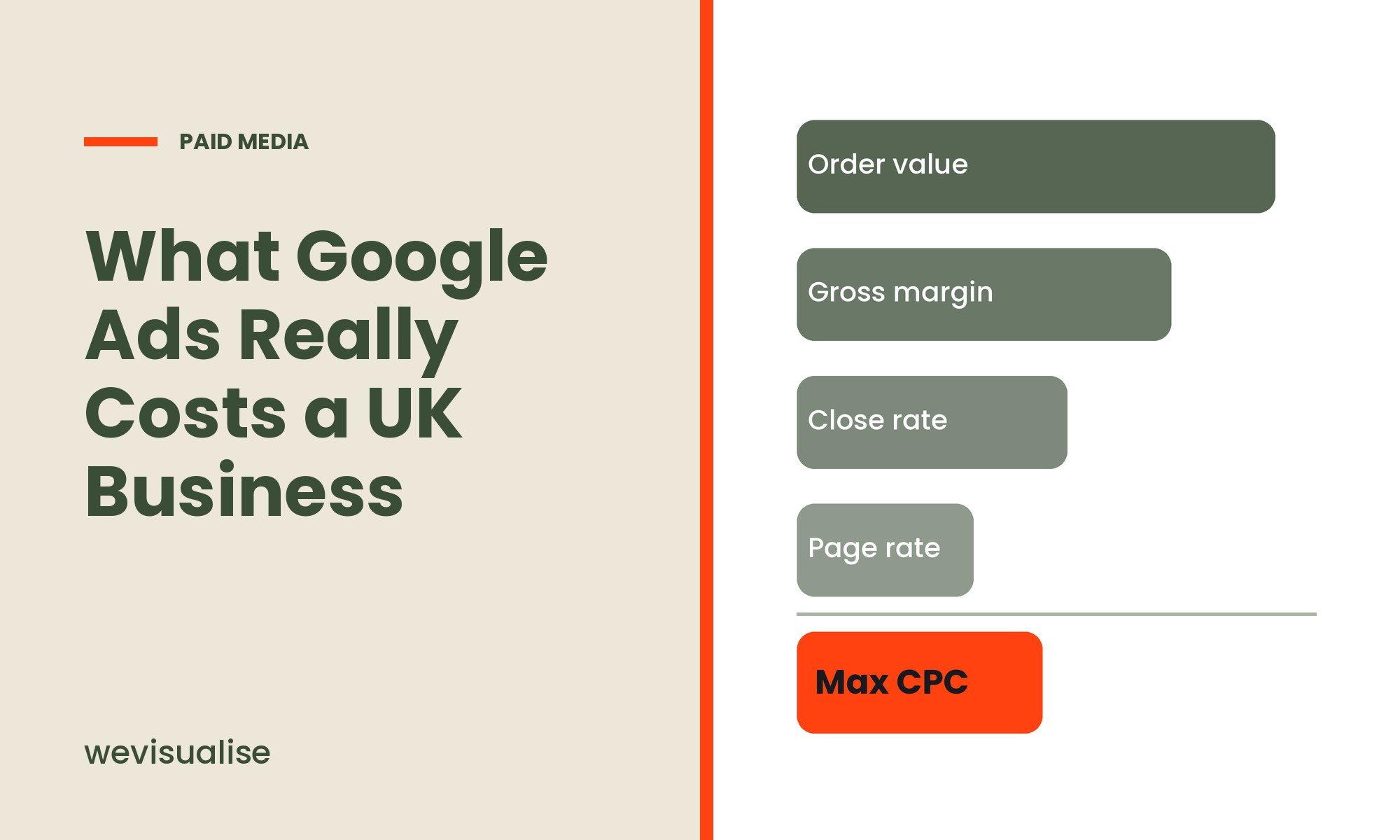
What Google Ads Really Costs a UK Business
Nobody can quote you a Google Ads price, because the auction sets it every time someone searches. Here is what actually drives cost per click in the UK, what sits on top of media spend, and how to size a budget that works.
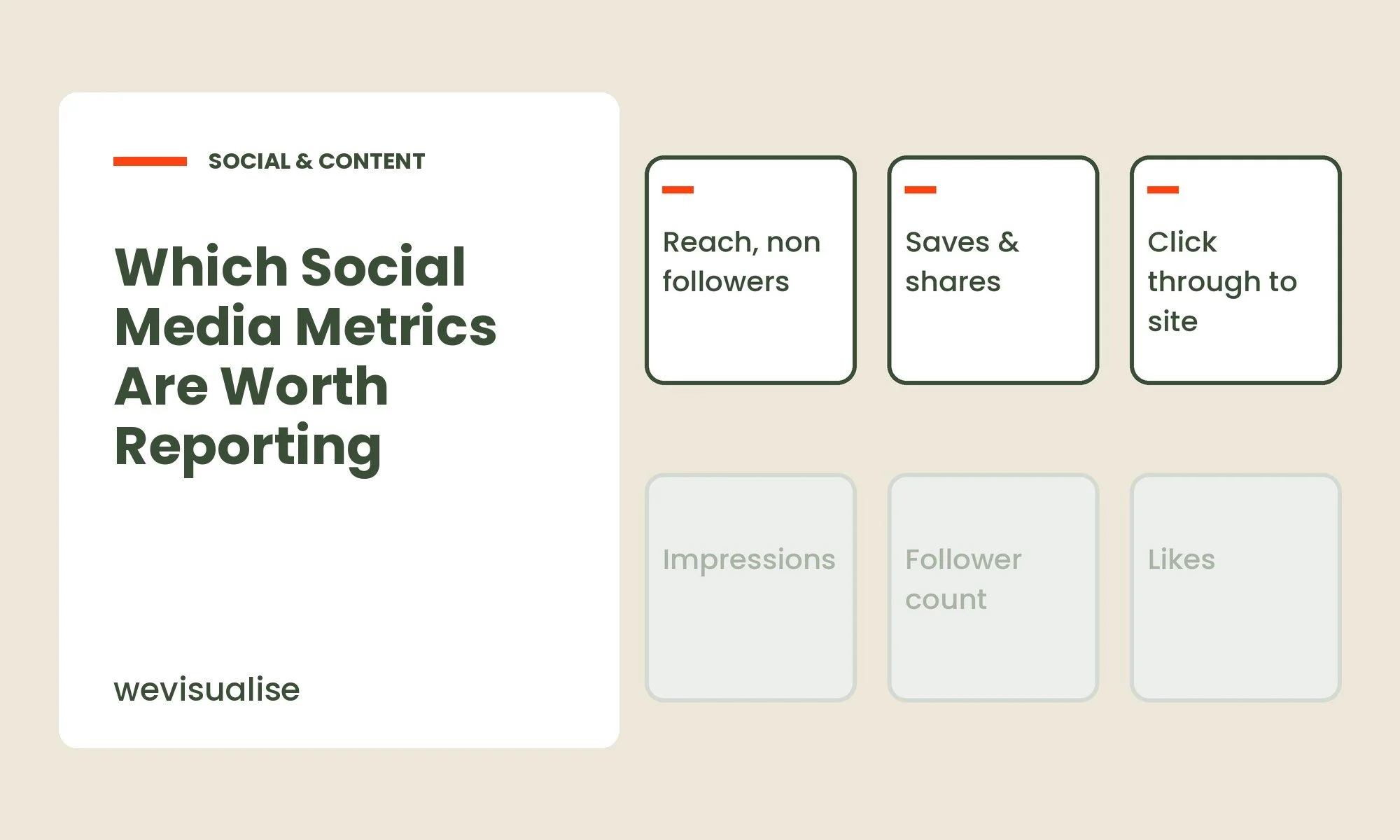
Which Social Media Metrics Are Worth Reporting
A monthly social report full of impressions and follower growth tells you almost nothing. This guide separates the metrics that change a decision from the ones that only fill a slide, with each platform's own definitions.
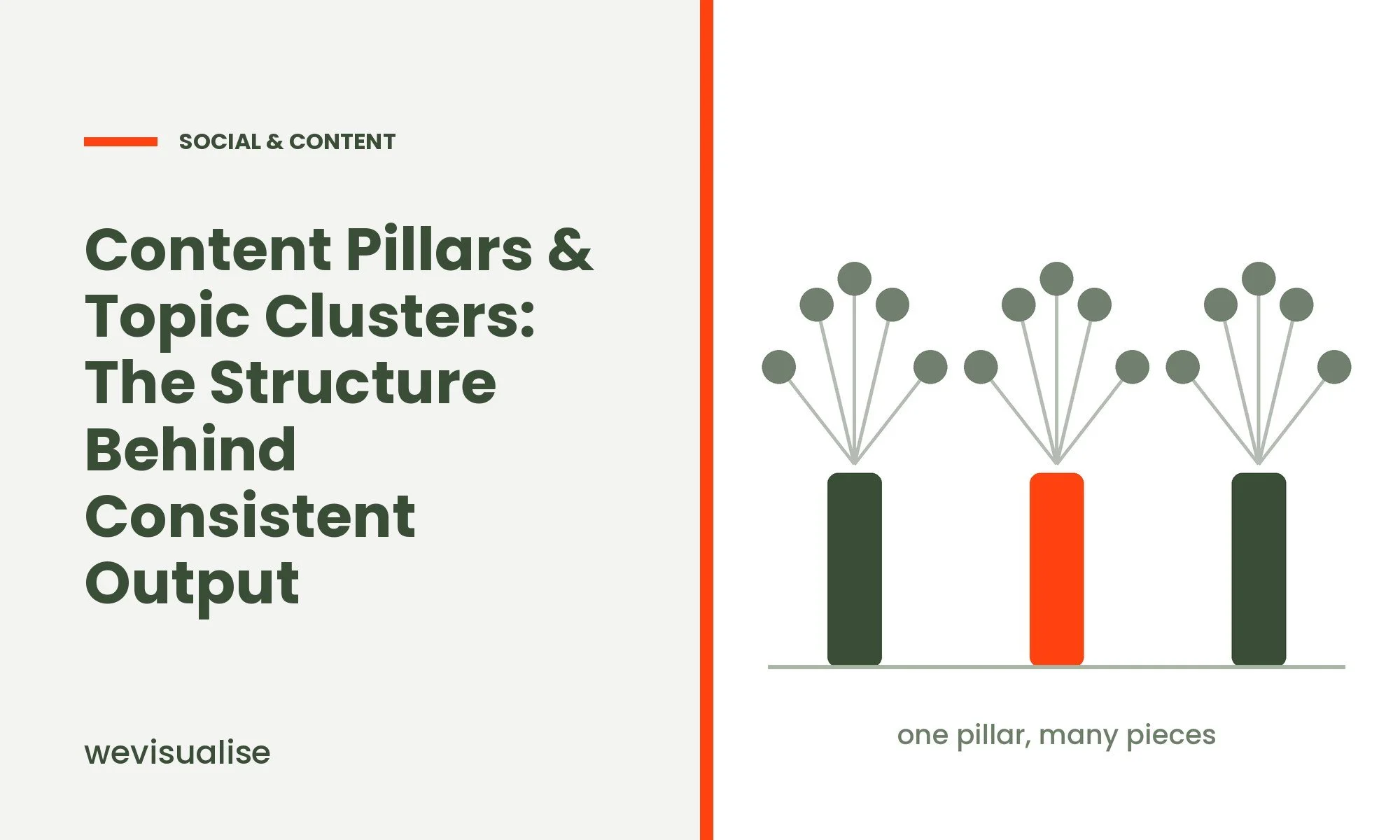
Content Pillars & Topic Clusters: The Structure Behind Consistent Output
Content pillars are usually treated as a social media idea and site structure as an SEO one. They are the same structure. Here is how to choose pillars from what you sell, build clusters and link them.
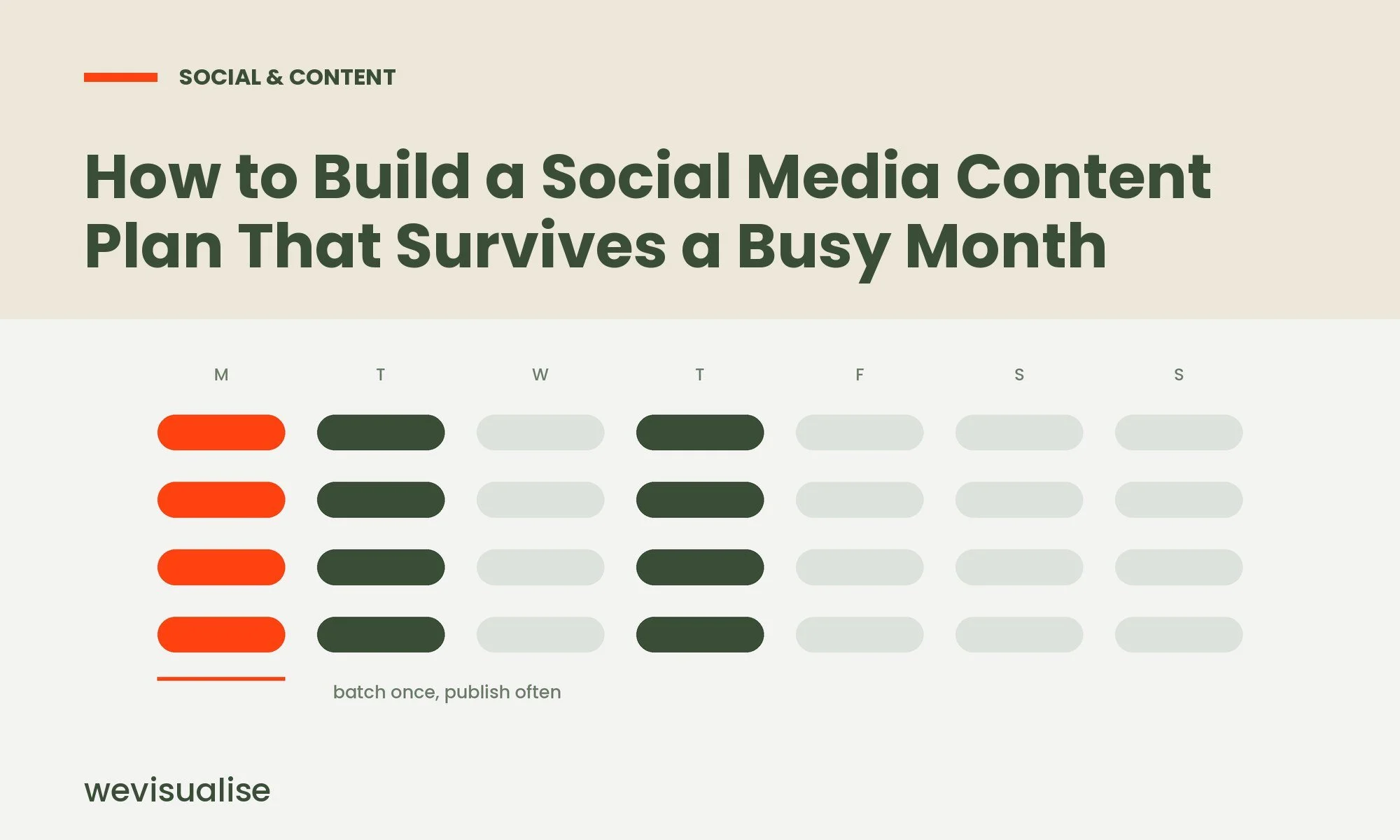
How to Build a Social Media Content Plan That Survives a Busy Month
Most social plans are built for a good month and collapse in a bad one. Here is how to set cadence from platform guidance, batch properly, fix the approval bottleneck and decide in advance what gets cut.
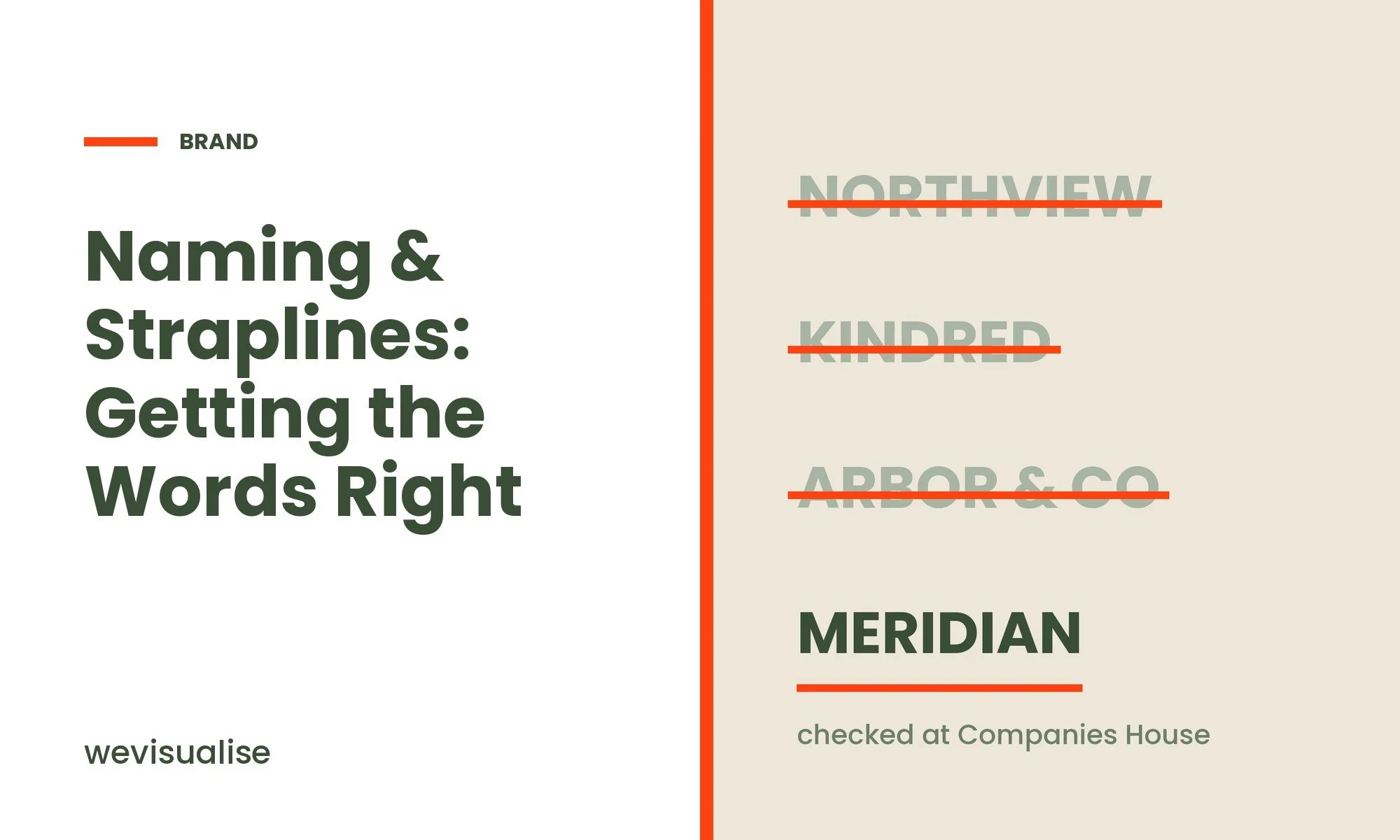
Naming & Straplines: Getting the Words Right
Naming projects usually fail twice, once on availability and once on the strapline. Here are the four naming routes, the Companies House and trade mark checks that are not optional, and what makes a strapline last.
How to Run a Brand Audit, Step by Step
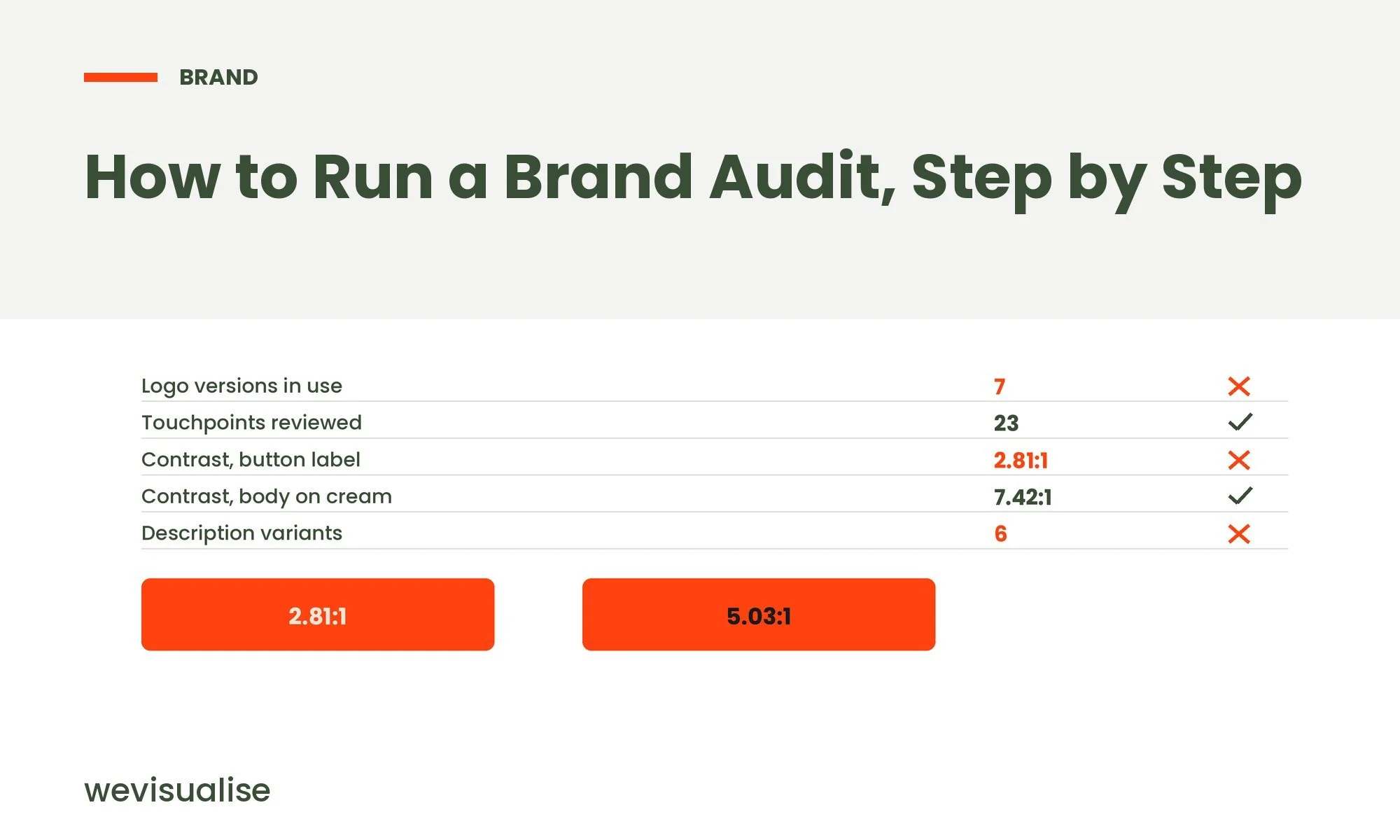
Most brand audit advice stops at the definition. This is the method: inventory every asset, review every touchpoint, measure colour contrast against the WCAG thresholds, test message consistency, and write an output document someone can act on.
What a Brand Strategy Actually Contains
Plenty of businesses buy brand strategy without agreeing what should land on the desk at the end. This is the component list: audience, frame, positioning, proposition, messaging, tone, naming, visual direction and measurement, with a test for each.
Brand Refresh or Rebrand: How to Tell Which One You Need
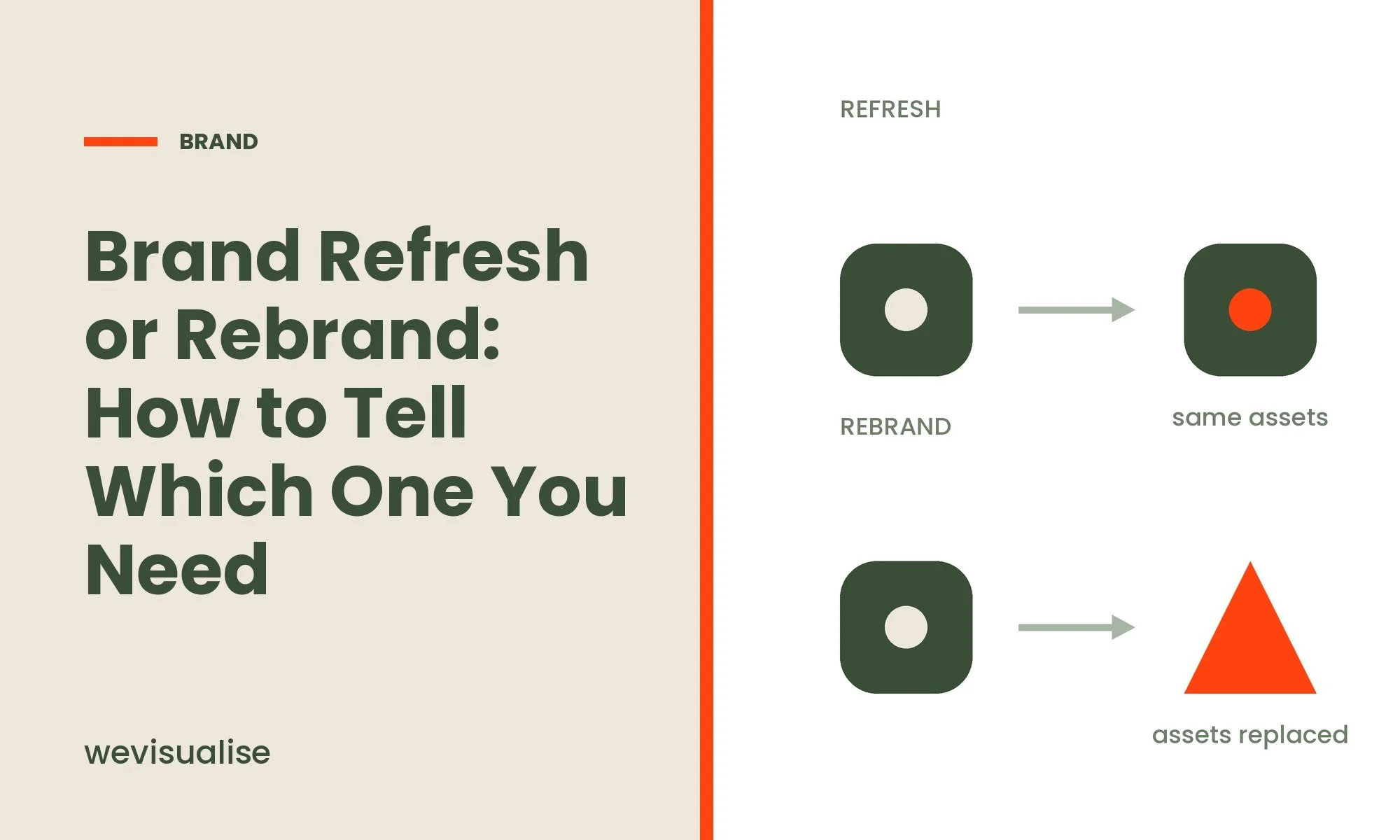
Most businesses asking for a rebrand need a refresh, and a few asking for a refresh have a deeper problem. A decision framework, real cost figures for UK name changes, and documented examples of both calls going right and going badly wrong.
How Businesses Should Use Social Media to Drive Website Traffic
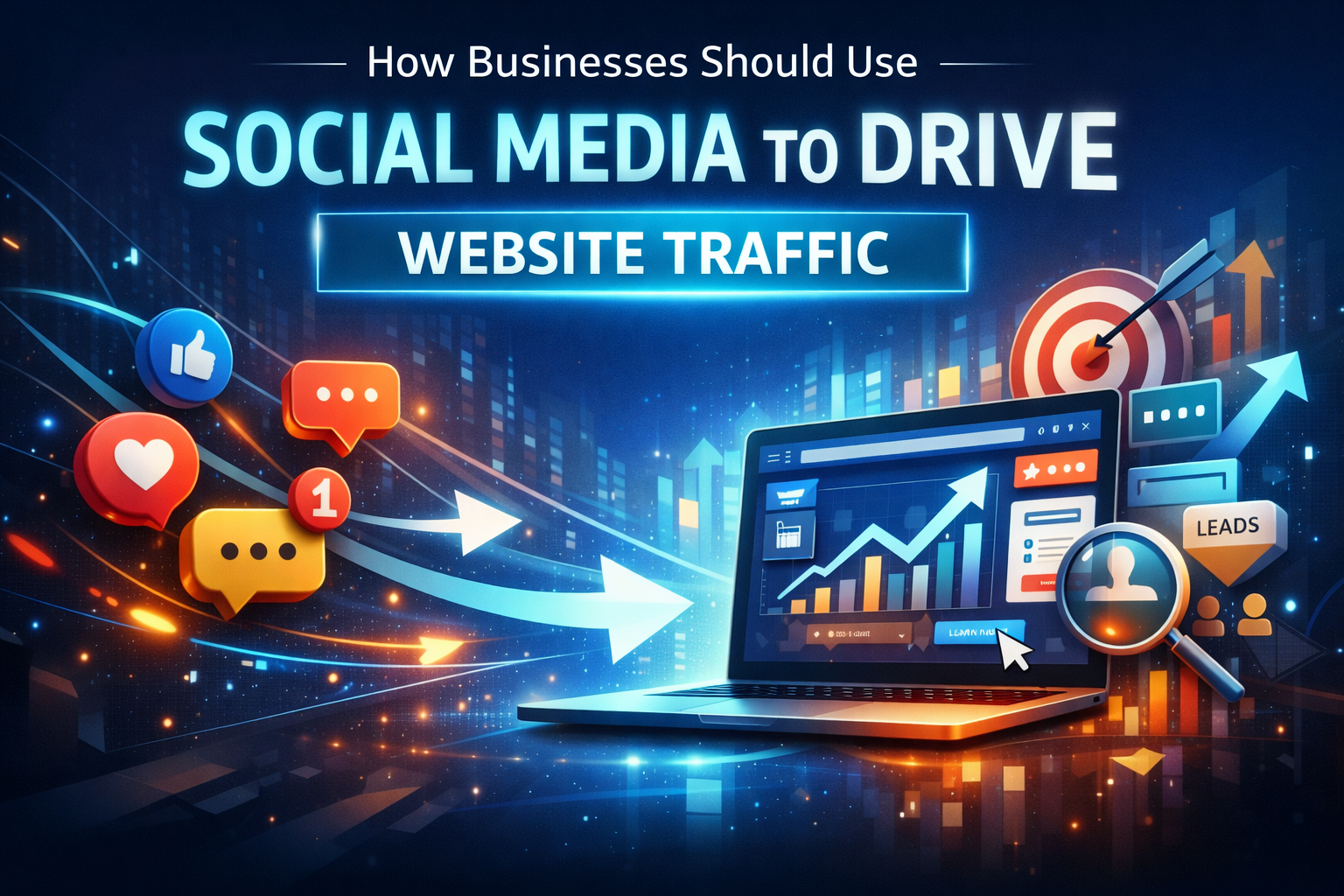
There is a common misconception that social media success automatically translates into website growth. Brands celebrate follower milestones, viral posts, and engagement spikes, yet their website analytics tell a different story. Traffic is inconsistent, conversions are limited, and enquiries remain unpredictable.

What Makes a Brand Trustworthy Online in 2026
Trust has always influenced buying decisions, but in 2026 it determines visibility, discoverability and long-term commercial viability. A brand that fails to establish credibility online won't simply lose conversions. It will lose reach, authority and algorithmic preference.



Positioning Your Business as the Obvious Choice in a Crowded Market
In almost every sector today, competition is no longer the exception but the norm. Prospective clients can compare providers in minutes, review websites side by side, and gather recommendations from peers before ever making contact. In that environment, simply offering a good product or reliable service is not enough. When your business blends into a sea of similar claims, comparable pricing, and near-identical messaging, customers will default to familiarity, convenience, or cost.

Why Most Brands Look the Same And How to Stand Out Without Rebranding
There's a persistent misconception in modern marketing that businesses must choose between brand marketing and performance marketing. Budget conversations often frame it as a trade-off: either you invest in long-term brand building, or you focus on measurable, conversion-driven campaigns that generate immediate return.